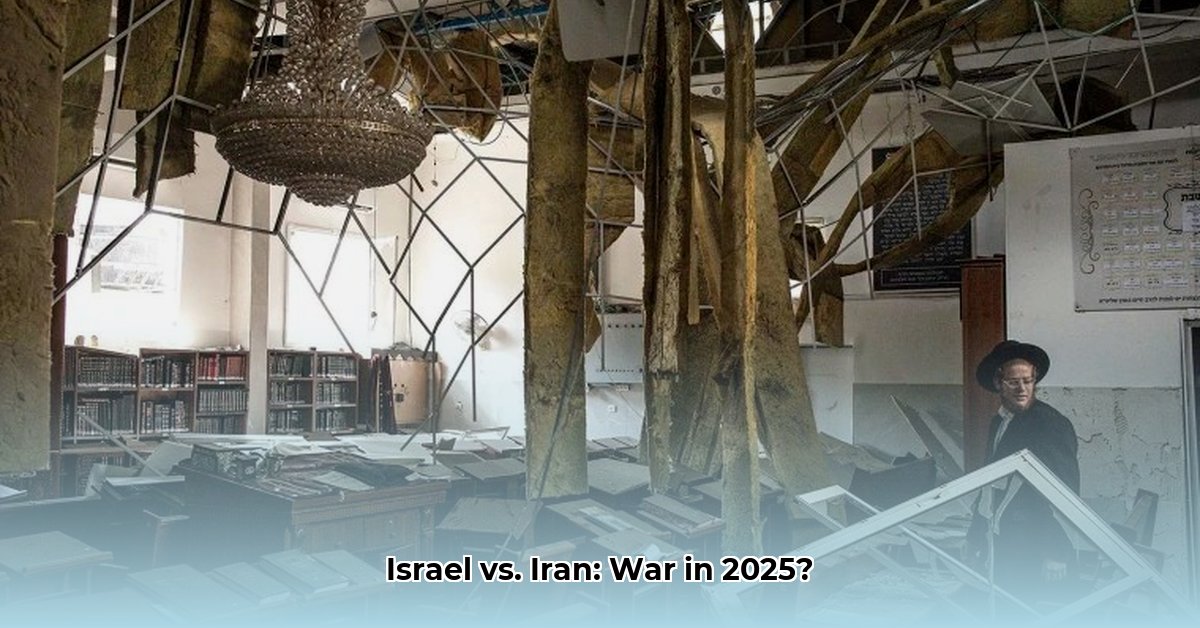
The June 2025 Conflict: A Sudden Escalation
June 2025 saw a dramatic escalation in the long-standing tensions between Israel and Iran. A large-scale Israeli military operation targeted Iranian nuclear facilities and military installations, marking a significant turning point in the region's geopolitical landscape. Years of simmering animosity, fueled by Iran's nuclear program and its expanding regional influence, culminated in this decisive, yet highly controversial, action. The immediate aftermath was chaotic, prompting a wave of uncertainty and raising serious concerns about the potential for a wider conflict. Understanding the complexities of this situation requires analysing the immediate fallout, the long-term implications, and the actions of key stakeholders.
Immediate Fallout: Assessing the Damage
The Israeli strikes caused significant damage, the precise extent of which remains a subject of debate. While some sources claim the operation dealt a crippling blow to Iran's nuclear ambitions, others assert the damage was less severe than initially reported. This uncertainty underscores the challenges in obtaining accurate information in the immediate aftermath of such a complex and multifaceted military action. Regardless, the attacks created a power vacuum, prompting other regional actors to strategise for influence. The short-term consequences included widespread instability and significant humanitarian concerns.
"The immediate aftermath was marked by intense uncertainty and a scramble for information," says Dr. Anya Sharma, Professor of International Relations at the University of Cape Town. "Disinformation spread rapidly, making objective assessment incredibly difficult."
Long-Term Implications: A Path Uncertain
The long-term consequences of the June 2025 conflict remain highly unpredictable. Will Iran accelerate its nuclear program in response to the perceived aggression? Or will it adopt a more cautious approach, prioritising diplomatic engagement? Could this spark a broader regional conflict, drawing in additional actors and potentially escalating into a truly devastating war? The uncertainty surrounding these questions highlights the magnitude of the challenge faced by the international community. Several experts suggest potential scenarios, ranging from a protracted period of instability to a wider, devastating regional conflict.
How might this conflict reshape the balance of power in the Middle East? This is a critical question with no easy answer. The potential for further conflict remains a deeply concerning factor.
Key Players: A Complex Web of Interests
The United States, under a Trump-era type of administration, played a crucial role, offering vital support to Israel while simultaneously attempting to prevent a wider regional war. This delicate balancing act illustrates the considerable challenges faced by even powerful nations in managing such crises. Other world powers, too, found themselves navigating treacherous diplomatic waters, grappling with the implications of a conflict with global ramifications.
"The US faced a particularly difficult balancing act," notes Professor David Miller, Head of the Department of Political Science, Stellenbosch University. "Supporting Israel while simultaneously de-escalating a potentially catastrophic war demanded exceptional diplomatic skill and a level of pragmatic flexibility not always seen in such circumstances.”
Actionable Intelligence: A Strategic Plan
Addressing the crisis demands a multi-faceted approach involving coordinated action from several key stakeholders. The following outlines potential short-term and long-term actions:
Israel: (Short-term) Secure military gains, strengthen national defences, manage domestic political fallout. (Long-term) Prioritise regional security, explore diplomatic avenues, possibly negotiate a new nuclear deal.
Iran: (Short-term) Assess damage, rebuild infrastructure, consider diplomatic options, reinforce internal stability. (Long-term) Rebuild military strength, recover regional influence, de-escalate tensions, carefully consider its nuclear strategy.
United States: (Short-term) Provide measured support, facilitate dialogue between parties, work toward negotiated solutions. (Long-term) Manage regional influence, balance support for Israel with greater regional stability, pursue international cooperation to prevent conflict.
International Community: (Short-term) Monitor humanitarian needs, press for a ceasefire, enhance IAEA monitoring. (Long-term) Develop conflict prevention mechanisms, address root causes of regional instability.
The Human Cost: Beyond the Headlines
This conflict impacts far more than just geopolitical strategy. It has a profound human cost, with the immediate and long-term consequences affecting countless individuals in the region. Beyond the political narratives and strategic calculations, the human toll of this conflict demands attention and demands that we remember the real-life implications of this devastating conflict.
The events of June 2025 served as a stark reminder of the ever-present fragility of peace in the Middle East. Understanding this complex history and current events is crucial, not only for political analysts and policymakers but also to ensure that the international community can work towards a more peaceful and secure future. The choices made now will shape the region for generations to come.